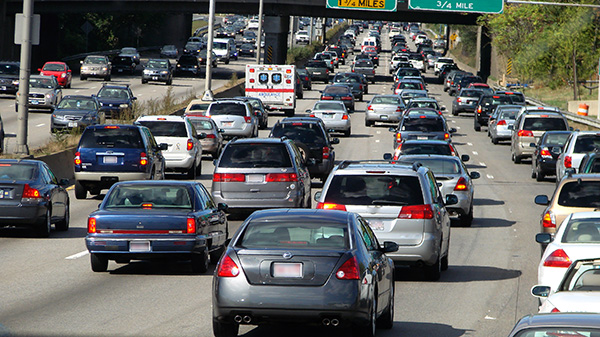
A ten-mile drive through Berkeley can be harder on a car than a much longer trip on an open highway. Traffic lights, crowded intersections, steep streets, delivery vehicles, cyclists, and slow-moving traffic keep the vehicle switching between acceleration, braking, and idling. The odometer may not climb quickly, but many systems are working almost constantly.
This kind of driving creates heat without giving the vehicle much time or airflow to cool down. Brakes get used repeatedly, fluids spend more time at operating temperature, and the A/C must cool the cabin while the engine sits at low speed. Over time, those conditions can shorten service intervals and expose parts that were already beginning to wear.
Frequent Stops Heat Up The Brakes
Every time you press the brake pedal, the pads clamp against the rotors and turn the vehicle’s movement into heat. On an open road, the brakes have time to cool between stops. In city traffic, they may be used again before they have released the heat from the last intersection.
That repeated heat can wear brake pads faster and leave deposits on the rotor surface. Drivers may begin to notice squealing, a pulsing pedal, vibration through the steering wheel, or a longer stopping distance. Steep Berkeley streets add even more load because the brakes must control the vehicle’s weight while traveling downhill.
Brake Fluid Also Deals With Heat
Brake fluid transfers pressure from the pedal to the calipers at each wheel. It also absorbs moisture over time, which lowers its resistance to boiling. Stop-and-go driving and repeated downhill braking can raise brake temperatures enough to expose old fluid that has already absorbed too much moisture.
A soft or less consistent pedal after heavy traffic can be a warning that the braking system needs attention. Fluid condition should be evaluated along with pad thickness, rotor condition, caliper movement, and brake hoses. Replacing pads without checking the rest of the system can leave an important part of the braking complaint unresolved.
Engine Oil Ages Differently In City Traffic
Mileage does not tell the entire story of engine oil life. An engine still runs while the car is stopped at a red light, crawling through traffic, or waiting at a crowded intersection. The vehicle covers very little distance during that time, but the oil continues circulating through hot engine parts.
Short trips can be demanding as well, because the engine may not reach full operating temperature long enough to evaporate moisture and fuel contamination from the oil. Regular maintenance should account for time, trip length, traffic, and manufacturer recommendations rather than relying only on the mileage shown on the dashboard.
Transmission Fluid Works Hard During Repeated Acceleration
Automatic transmissions shift frequently in city driving. They move through lower gears, manage torque converter operation, and repeatedly respond as the driver slows down and accelerates again. Each of those actions creates heat inside the transmission.
Old or low fluid may lead to delayed engagement, firmer shifts, shuddering, or hesitation when pulling away from a stop. Berkeley’s hills can add extra strain because the transmission must handle both vehicle weight and frequent speed changes. Fluid condition, leaks, and service history should be reviewed before small shift changes become more noticeable.
The Cooling System Gets Less Natural Airflow
When the vehicle is moving at highway speed, air passes through the grille and helps cool the radiator and A/C condenser. In slow traffic, that natural airflow drops sharply. The electric cooling fans must take over, drawing air through both components.
A weak fan, dirty radiator, low coolant level, aging thermostat, or a small coolant leak may not cause trouble at higher speeds. The problem can appear while sitting in traffic, when the temperature begins to climb, or when the cooling fan runs loudly for long periods. An inspection can catch these concerns before a warm day turns them into an overheating problem.
The A/C Works Hardest While The Car Is Barely Moving
The A/C condenser releases cabin heat at the front of the vehicle. It depends heavily on airflow, which means the system has a tougher job when the car is stopped. If the cooling fan is weak, the refrigerant charge is low, or the condenser is blocked with debris, vent temperature may rise at traffic lights and drop again once the car begins moving.
The compressor also adds load to the engine, while the blower motor and cooling fans increase electrical demand. A weak battery, alternator, belt, tensioner, or compressor can become more apparent during prolonged idling with the A/C running. Warmer air in traffic is often an early clue that the system is losing efficiency.
Tires And Suspension Still Take A Beating
Stop-and-go traffic is not easy on tires. Frequent braking pushes weight toward the front tires, while repeated turns and tight parking maneuvers wear the shoulders. Low tire pressure, poor alignment, and worn suspension parts can speed up that wear.
Potholes, uneven pavement, and steep driveways also load shocks, struts, bushings, and steering parts. A new clunk, tire vibration, steering pull, or uneven tread pattern should be checked before another tire is damaged. City driving may happen at lower speeds, but the constant changes in direction and load still add up.
Get Stop-And-Go Driving Maintenance In Berkeley, CA, With Oceanworks Berkeley
If Berkeley traffic has left your brakes noisy, your A/C warmer at stops, or your vehicle feeling different in daily driving, Oceanworks Berkeley can check the brakes, fluids, cooling system, tires, suspension, and climate controls.
Contact us to schedule an appointment and keep city driving from turning normal wear into a larger repair.