Posted on 9/25/2026
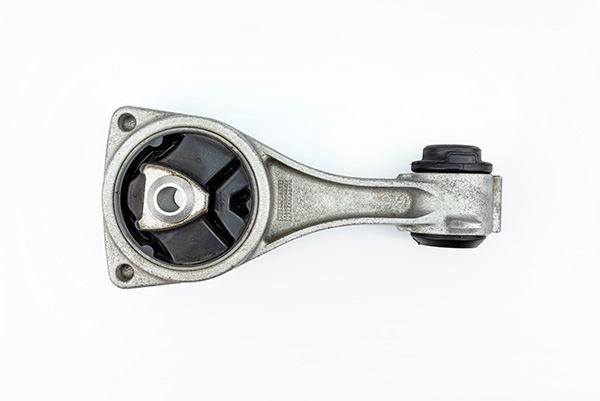
Engine and transmission mounts do more than hold the drivetrain in place. They also isolate much of the vibration the engine produces and control how far the drivetrain moves when you accelerate, brake, or shift gears. As the rubber inside a mount softens, cracks, or separates, that control begins to disappear. The change can be gradual, so drivers sometimes get used to the extra vibration or clunking without realizing something has worn out. These five symptoms are among the ones we pay closest attention to. 1. You Feel More Vibration at Idle One of the first signs of a worn mount is extra vibration while the vehicle is stopped with the engine running. You may feel it through the steering wheel, seat, floor, or brake pedal, especially when the transmission is in Drive and your foot is on the brake. Mounts use rubber or fluid-filled sections to absorb normal engine movement before it reaches the body. Once that material deteriorates, more vibration passes directly ... read more
Posted on 9/23/2026
A blinking check engine light is the one dashboard warning one should never ignore. While a steady check engine light may indicate a problem that needs attention soon, it usually is not an emergency, but a flashing or blinking check engine light signals an issue that requires immediate action. As a matter of fact, it is best to pull over as soon as it is safe to do so and to turn off the engine. If pulling over immediately is not possible, reduce speed and minimize any hard acceleration to lessen the engine load. Once safely stopped, have the car towed to a professional repair shop for diagnosis. The most common cause of a blinking check engine light is an active engine misfire. A misfire occurs when one or more cylinders fail to burn the air-fuel mixture properly. Many conditions can cause a misfire, including worn or fouled spark plugs, failing ignition coils, faulty fuel injectors, fuel delivery problems, vacuum leaks – that ... read more