Posted on 5/29/2026
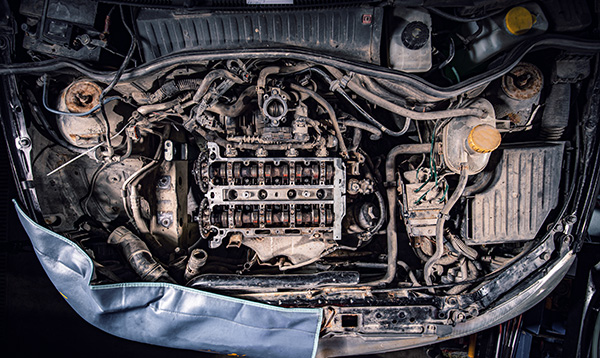
A PCV valve is one of those small parts that can cause symptoms all over the engine. You might notice oil use, a rough idle, a whistle, a check engine light, or fresh leaks that seem to come out of nowhere. The part is small. The pressure problem is not. When the PCV system stops managing crankcase pressure correctly, the engine has to deal with vapors and pressure in ways it was not designed for. That can push oil past seals, pull oil into the intake, and confuse the fuel mixture enough to turn on the check engine light. What The PCV Valve Actually Does PCV stands for positive crankcase ventilation. The system routes pressure and vapors from inside the engine back into the intake so they can be burned instead of building up in the crankcase. It helps control internal pressure, reduce emissions, and keep moisture and fuel vapors from sitting inside the engine. The PCV valve controls that flow. Some vehicles use a simple valve. Others use a more involved oil separa ... read more
Posted on 5/20/2026
In February we wrote on our Google Business Profile about getting your auto a/c checked and refrigerant refilled before the summer rush starts. Well… the summer rush has started. Three consecutive hot days in the Bay Area really drove home that the summer is upon us. At Oceanworks we offer comprehensive automotive air conditioning services and repairs. Auto a/c systems are a complex maze of various electro-mechanical and fluid and gas systems – refrigerant, lines that conduct refrigerant in its liquid and gaseous state around the system, evaporator, expansion valve, condenser, compressor, blower motor, to name just a few. Problem with any one of these components can result in subpar a/c performance. Our Berkeley auto care facility offers auto a/c diagnostics and repairs – whether your vehicle uses the old R-134a refrigerant, or the newer R1234YF environmentally friendly stuff. So if you find out that the a/c in your car fails to provide the cold air you expect, cal ... read more